Where Sweet Tooth Meets Culture at Cuban Bakery Aurora CO
Walk into a good Cuban bakery and the first thing that hits you is not just sweetness. It is atmosphere. Butter in the air, sugar settling on glass cases, espresso pulling in short dark streams, a tray of pastries disappearing almost as quickly as it lands. At its best, a bakery like this does more than sell dessert. It preserves habits, recipes, and a style of hospitality that carries real cultural weight.
That is what makes the appeal of a Cuban bakery Aurora CO story worth telling. In a growing city where food traditions overlap every day, a Cuban bakery stands out because it offers more than a craving fix. It gives customers a place to taste memory, curiosity, and craftsmanship in one visit. Some people come for guava pastries. Others arrive for café cubano strong enough to reset an afternoon. Many leave with a box heavier than planned because restraint has never been the point of a great bakery counter.
Aurora is a place where neighborhood food culture feels particularly alive. It has the kind of population that rewards authenticity but also welcomes adaptation. That combination suits Cuban baking well. The classics remain essential, yet the bakery must also meet the rhythms of local life, morning commutes, office coffee runs, birthday gatherings, and weekend family visits. The result is a business model that depends on both fidelity and flexibility.
The bakery case as cultural archive
People often talk about bakeries as comfort businesses, and that is true, but in Cuban baking comfort is tied directly to identity. The familiar lineup matters. Pastries filled with guava, cream cheese, coconut, or custard are not random sweets assembled for a generic audience. They reflect a culinary history shaped by Spanish influence, Caribbean ingredients, migration patterns, and the practical logic of baking food that could be enjoyed with coffee, shared with guests, or brought home by the dozen.
What makes Cuban bakery culture distinct is the way everyday pleasure carries ceremonial weight without becoming formal. A small pastry and coffee can mark a work break, a reunion, a post church stop, or a quick peace offering before arriving at a relative’s house empty handed. A cake is rarely just cake. It is tied to birthdays, baptisms, graduations, office parties, and family tables where at least one person insists on taking leftovers home.
Spend enough time around Cuban bakeries and you notice another detail. People do not order timidly. They point, ask questions, mix sweet with savory, add bread at the last second, and often revise the box after seeing what just came out fresh. The interaction matters almost as much as the product. A bakery employee who knows how to guide first time customers while keeping regulars moving is performing a kind of cultural translation in real time.
Why Cuban pastries feel different
The broad American bakery landscape has room for everything from laminated French pastries to oversized frosted cupcakes. Cuban baked goods occupy a different lane. They are often less concerned with dramatic decoration and more focused on balance, portability, and flavor contrast.
Take guava, one of the defining tastes in many Cuban bakeries. It has a deep fruit sweetness with enough brightness to cut through rich dough or cream cheese. In a well made pastelito, the guava does not flood the pastry or vanish into the background. It sits in proportion, soft enough to meld with the layers, bold enough to announce itself. That balance sounds simple. It is not. Too much filling and the pastry leaks, turns soggy, or eats like jam wrapped in regret. Too little and it feels stingy.
Texture matters just as much. Cuban pastries should offer crispness without shattering into dust, tenderness without greasiness, sweetness without cloying heaviness. That last point is where experienced bakers earn their keep. Sweet baked goods fail when sugar becomes the only note. The best Cuban bakeries understand restraint. Even richer items tend to carry contrast, fruit against butter, caramelized edges against soft centers, a bitter espresso alongside a sugary bite.
Then there is the bread. Bread tends to get less attention in public conversation because pastry is more photogenic, but bread often reveals the true discipline of a bakery. Cuban bread should have character, a thin crisp crust and a light interior that works equally well for breakfast toast or a pressed sandwich later in the day. If a bakery can keep strong pastry and strong bread in the same operation, it usually signals serious consistency behind the scenes.
Aurora is fertile ground for this kind of bakery
Aurora has become one of those cities where diners do not settle for bland category labels. They want regional food, family run places, and kitchens that cook with a point of view. That matters for any bakery trying to build lasting loyalty. A Cuban bakery here does not survive simply because it is novel. It survives because customers can taste the difference between something made with knowledge and something made to imitate the look of a tradition.
There is also a practical reason the format works in Aurora. Bakery culture fits multiple schedules. Morning commuters want coffee and something handheld. Families want take home desserts. Offices want pastry boxes that feel more special than chain donuts. Weekend customers want a place where children can pick treats while adults debate which savory items to add. Cuban bakeries can satisfy all of those needs without stretching beyond their identity.
The climate and pace of Colorado life can create an interesting contrast too. People may associate tropical flavors and Caribbean baking with humid coastal settings, yet those flavors can feel even more welcome in a dry inland environment. Guava, coconut, pineapple, espresso, and buttery pastry offer a kind of edible brightness that cuts through winter routines and workday fatigue.
What regulars usually know before newcomers do
First time customers often approach the pastry case as if they should choose one signature item and move on. Regulars know better. The right approach is to build a small assortment. Cuban pastries are at their best when they create contrast across the box. One fruit filled item, one creamier piece, something flaky, perhaps something savory if the timing is right. Variety turns a simple purchase into a proper bakery experience.
Regulars also know to ask what is fresh out. This matters in every bakery, but especially in places where turnover is fast and production cycles happen through the day. A pastry eaten twenty minutes after it reaches the case can feel completely different from the same item after a few hours. Neither is necessarily bad, but texture changes. Flake softens, fillings settle, glaze firms up. Good bakery timing is one of those small pleasures that rewards paying attention.
Coffee choice matters too. Cuban coffee is not just a beverage pairing. It is part of the structure of the meal. A sweet pastry with a concentrated, potent coffee tastes balanced in a way that a weak drip coffee often cannot match. The bitterness, heat, and intensity sharpen the pastry rather than drown under it.
The role of the pastelito
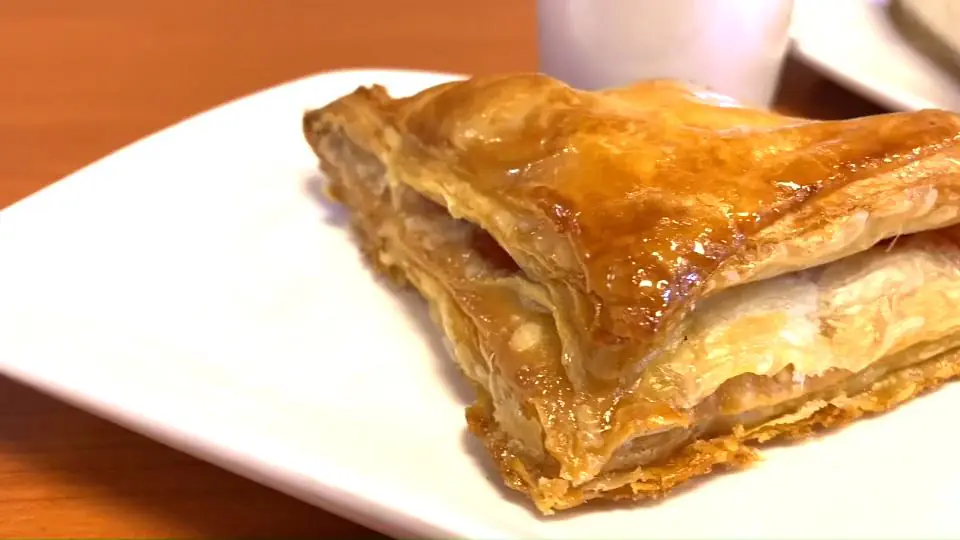
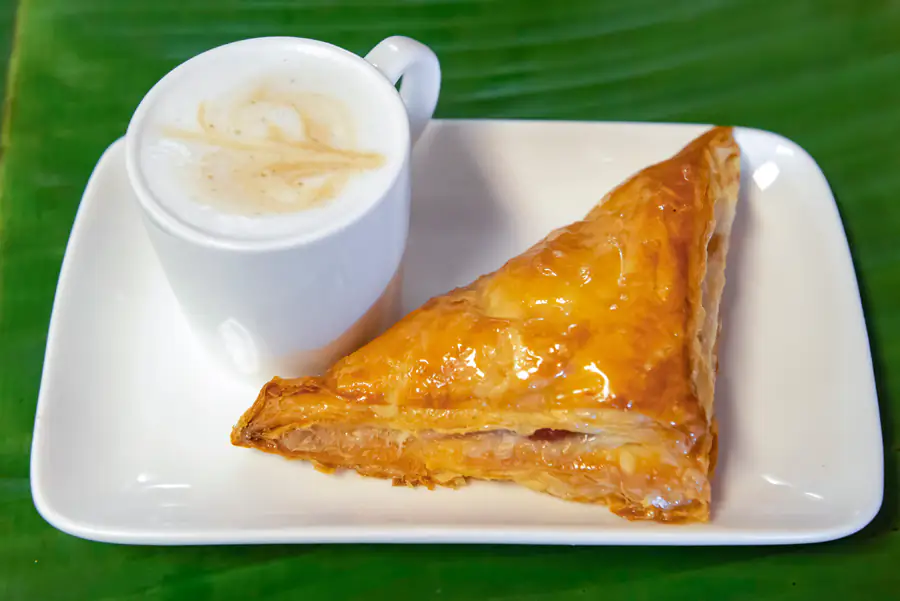
If one item acts as the gateway for many customers, it is the pastelito. This family of pastries carries tremendous range, but the most beloved versions often feature guava, guava with cheese, or custard. The appeal is obvious after one bite. You get crisp layers, rich dough, and a filling that lands somewhere between dessert and nostalgia.
The quality spread between an average pastelito and a very good one is wide. In mediocre versions, the dough can turn oily or bland, the filling can taste flat, and the whole piece can feel heavy. In a strong bakery, each element is distinct and coordinated. The exterior browns evenly, sugar adds just enough crackle, and the filling tastes like fruit or cream rather than generic sweetness.
I have watched newcomers try guava and cheese reluctantly, often because they cannot imagine fruit paste and dairy belonging in the same pastry. Then they take one bite and immediately understand the logic. The cheese softens the fruit’s intensity. The guava keeps the cheese from becoming dull. It is a pairing built on contrast, not novelty.
Cakes, celebrations, and the social life of dessert
A Cuban bakery earns routine business through small items, but celebration cakes often reveal whether the shop has real depth. Birthday cakes in Cuban bakery tradition tend to sit at the intersection of elegance and abundance. They are meant to feed groups, travel reasonably well, and satisfy people of very different ages. That is harder than it sounds.
The strongest bakeries know how to build cakes that look festive without becoming structurally sloppy or overwhelmingly sweet. Fillings matter. Frosting style matters. Moisture matters even more. A beautiful cake that dries out by the next morning has failed one of its main social duties, which is to keep giving after the candles are gone.
There is also an emotional layer here. In many communities, the bakery cake becomes part of family continuity. People remember where cakes came from when they were children. They compare icing styles, filling flavors, decorative habits, and whether the bakery still makes a version that resembles the one from years ago. For immigrant families and second generation households, that continuity is often more meaningful than the cake itself. Food does not just represent home. It can become one of the few ways home remains tactile.
Savory food belongs in the conversation
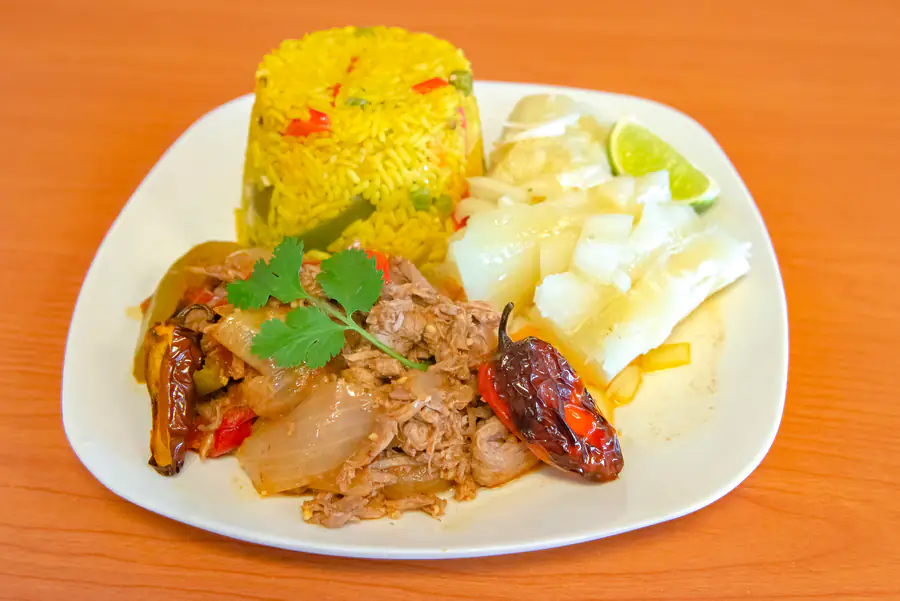
Anyone who reduces Cuban bakery culture to sweets misses half the picture. Savory items are often what turn a casual visit into a meal and a one time https://charliespdo658.zenbloomer.com/posts/taste-the-difference-at-a-cuban-bakery-in-aurora-co customer into a regular. Depending on the bakery, that might mean croquettes, sandwiches, savory pastries, or stuffed breads that sell fast in the morning and around lunch.
This matters because sweet and savory traffic support each other operationally. A bakery that only sells sweets is more vulnerable to narrow purchasing patterns. A bakery that can move coffee, breakfast pastries, savory snacks, lunch items, and celebration cakes has a steadier business rhythm. Customers who stop in for coffee may add a croquette. Someone ordering a cake may leave with a dozen pastries. That cross purchasing is the backbone of many successful neighborhood bakeries.
For customers, the practical benefit is obvious. You do not need to choose between indulgence and usefulness. You can pick up breakfast, dessert for later, and bread for home in one stop. That convenience feels especially valuable in a city where time, distance, and traffic can shape dining habits as much as taste does.
What to look for in a standout Cuban bakery
If you are evaluating a Cuban bakery Aurora CO for the first time, a few signs reveal a lot very quickly:
- The pastry case shows turnover, not neglect. Empty spaces are often a good sign.
- The coffee smells active and recent, not burnt or stale.
- Regulars order confidently and staff answer questions without rehearsed vagueness.
- Bread and savory items get as much respect as sweets.
- Boxes leave in multiples, which usually means people trust the bakery for sharing.
None of these signs are foolproof, but together they tell you whether the place functions like a real neighborhood institution or merely looks the part.
The tension between tradition and adaptation
Every culturally rooted food business eventually faces the same question: how much should you adapt? It is easy to answer this badly from either side. Refuse all change and you risk becoming inaccessible to new customers. Chase every trend and you hollow out the very thing that made the bakery matter.
The smartest bakeries adapt at the edges rather than the core. They preserve staple products, coffee standards, and service rhythms while adjusting packaging, ordering systems, seasonal offerings, and perhaps a few flavor variations that make sense locally. The key phrase is “make sense.” Not every flavor trend belongs in every pastry. A Cuban bakery does not need to force itself into whatever is popular online this month.
Aurora customers are usually savvy enough to recognize the difference between thoughtful evolution and gimmickry. If a bakery introduces a special that respects the texture and flavor logic of Cuban pastry, people respond. If it starts producing sweets that only photograph well but eat poorly, customers notice just as fast.
Why coffee changes the whole experience
Cuban coffee deserves its own section because it reshapes how the bakery is understood. A strong, sweet espresso style coffee does not simply accompany pastry. It gives the bakery a tempo. Customers linger differently around it. Conversations lengthen. People who intended to grab and go often stay a little longer.
There is also a sensory reason coffee matters so much. Sweet pastry without bitterness can flatten the palate. Cuban coffee restores contrast immediately. One small cup can sharpen fruit notes, make buttery dough feel lighter, and turn even a rich dessert into something more precise.
In professional terms, coffee also expands the bakery’s identity from retail food counter to social anchor. That shift has commercial value, but more importantly it has cultural value. A bakery with good coffee becomes a place to meet, wait, catch up, and reset. Those uses are difficult to measure, yet they are often what secure long term loyalty.
Ordering well, especially if it is your first visit
The best first visit is not the one where you order too cautiously. It is the one where you allow for some range and ask a question or two. Staff at strong bakeries are usually used to guiding customers through favorites and house specialties. A practical approach works well:
- Start with one classic pastry, often guava or guava and cheese.
- Add one item that contrasts in texture or filling, such as custard or coconut.
- Get the coffee the bakery is known for, even if you usually drink something else.
- Include one savory item if available.
- Buy extra if you are taking food home, because pastry regret is common.
The point is not excess for its own sake. It is understanding the bakery as a broad experience rather than a single dessert transaction.
The business discipline behind the romance
Bakery writing can become sentimental very quickly, but behind every beautiful pastry case sits hard operational discipline. Dough timing, proofing, baking windows, coffee service, ingredient sourcing, labor scheduling, display management, and waste control all shape what the customer experiences. In a culturally specific bakery, there is an additional pressure to meet emotional expectations tied to memory.
That pressure can be unforgiving. If a pastry tastes “almost right,” customers who grew up with the real thing know immediately. If quality slips on bread, they notice. If the coffee weakens, they mention it. This may sound harsh, but it is actually a healthy sign. High standards mean the bakery is not just selling sugar. It is participating in a living tradition that people care enough to defend.
The strongest operators know that consistency is not glamorous, but it is everything. Customers forgive a sold out favorite before they forgive a disappointing one. Sell through can indicate demand. Mediocrity only indicates drift.
A place where appetite meets belonging
What keeps people returning to a Cuban bakery is not just a sweet tooth, though that certainly helps. It is the layered experience of pleasure and recognition. For some customers, the bakery offers familiar flavors that connect them to family history. For others, it opens a door into a culture through the most inviting route possible, pastry and coffee. For many, it becomes a reliable neighborhood stop, the kind of place that quietly enters routine until life in the area would feel thinner without it.
That is the deeper appeal behind the phrase Cuban bakery Aurora CO. It points to a local business category, yes, but it also suggests a meeting point between city and tradition, convenience and craftsmanship, craving and memory. A good Cuban bakery does not ask customers to choose between indulgence and authenticity. It delivers both, often in one small paper box tied shut while the coffee still warms your hand.
In a food scene crowded with novelty, that kind of grounded pleasure stands out. A flaky pastry with guava and cheese, a proper shot of Cuban coffee, a loaf of bread for later, a cake ordered for the weekend, these are ordinary transactions on the surface. Yet together they create something bigger. They keep culture edible, visible, and shared. That is why a Cuban bakery can matter so much in Aurora, and why people who find a good one rarely keep it to themselves.
Cuba Bakery & Café
15028 E Mississippi Ave, Aurora, CO 80012
+1 303-752-2822
FAQ About Cuban bakery Aurora CO
What are Cuban pastries called?
Many small Cuban pastries are called pastelitos. They can have sweet or savory fillings, such as guava, cheese, guava and cheese, or seasoned meat. Cuba Bakery & Café lists guava, cheese, guava-and-cheese and beef pastries on its menu. Ask the bakery about current availability and ingredients when ordering.
What are traditional Cuban pastries?
Common Cuban bakery choices include flaky pastelitos filled with guava, cheese or meat. Cuban bakeries may also offer empanadas, breads and desserts alongside coffee. Cuba Bakery & Café lists pastelitos, several empanada fillings, pan Cubano and desserts such as tres leches and bread pudding. Selection can vary, so confirm the day's choices with the bakery.
What makes Cuban bread different?
Cuban bread is known for its light interior and a thin crust that becomes crisp when toasted or pressed. Traditional recipes often use lard, although ingredients vary by baker. It is commonly served as buttered toast or used for Cuban sandwiches. Cuba Bakery & Café lists pan Cubano and tostada on its menu; ask staff about the ingredients in their bread if you have dietary restrictions.